Bulky rubbish removal Keston Common Bromley tips
Posted on 23/10/2026
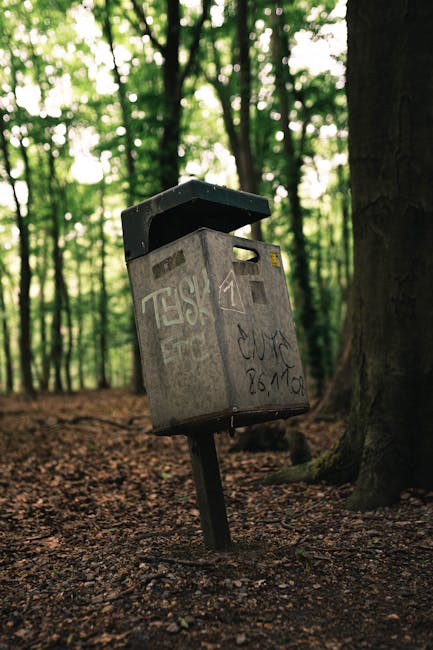
If you are staring at an old sofa, a broken wardrobe, a mattress, or a pile of awkward odds and ends and thinking, "Right, how on earth do I get rid of this?", you are in the right place. Bulky rubbish removal in Keston Common, Bromley is one of those jobs that looks simple until you are halfway through moving a heavy item through a narrow hallway. Then it becomes very real, very quickly.
This guide pulls together practical bulky rubbish removal Keston Common Bromley tips so you can plan the job properly, avoid common mistakes, and choose the right disposal method for your situation. Whether you are clearing a single item or dealing with a full room's worth of clutter, the aim is the same: make the process safer, smoother, and less stressful.
We will cover how bulky waste removal works, when it makes sense to use a professional collection, what to check before booking, and how to keep the whole process tidy and compliant. And yes, a bit of local common sense goes a long way here.
Why bulky rubbish removal matters
Bulky waste is not just "more rubbish". It is usually heavy, awkward, and awkwardly shaped. That sounds obvious, but it is the reason so many people put the job off for weeks. A sofa can block a hallway. A fridge can be hard to lift safely. A dismantled wardrobe can take over a room before you have even decided what to do with it.
In a place like Keston Common, where homes and access routes can vary a lot, planning matters. Some properties are easy to reach with a vehicle; others have tight drives, shared access, steps, or parking limitations. One small detail overlooked at the start can turn a straightforward collection into a bit of a faff. Not disastrous, just messy.
It also matters because bulky rubbish needs the right handling. Some items can be reused, some can be recycled, and some need specialist disposal. A responsible approach helps keep waste out of the wrong places and reduces the chance of fly-tipping, contamination, or fines. If you are interested in a broader sustainability view, the site's page on recycling and sustainability is a useful companion read.
Key point: bulky waste removal is about more than lifting things away. It is about safe movement, correct sorting, lawful disposal, and making sure the job is done in one clean pass rather than three stressful ones.
How bulky rubbish removal works
Most bulky rubbish collections follow a simple pattern: identify the items, assess access, confirm what can be taken, and arrange collection. That sounds tidy on paper. In real life, the details matter.
What usually counts as bulky rubbish?
Common examples include sofas, armchairs, mattresses, wardrobes, desks, bed frames, white goods, exercise equipment, fencing panels, and large bits of household clutter. Builders' offcuts, timber, bathroom units, and other larger renovation debris can also fall into the bulky category, depending on volume and material.
What the collection process looks like
- You list the items you want removed.
- You check whether anything can be reused, donated, or separated for recycling.
- You confirm access details such as parking, stairs, gates, and loading distance.
- The collection is booked and a suitable vehicle or team is arranged.
- The waste is loaded, transported, and directed to the appropriate disposal or recovery route.
If you are comparing service types, the general overview on services overview can help you see where bulky waste collection sits alongside other clearance options.
Why access details matter so much
A lot of people underestimate this. A two-minute conversation about a parking bay can save twenty minutes on the day. Narrow access, permit-only streets, shared entrances, or long carry distances all affect how the collection needs to be planned. For larger clearances, it is worth checking whether the job is closer to a simple collection or something more like a small-scale house clearance.
Key benefits and practical advantages
The most obvious benefit is convenience. Heavy items are gone quickly, and you do not spend the weekend trying to wrestle a sofa through a door frame. But there is more to it than that.
- Safer handling: bulky items are a common source of back strain and knocks to walls, doors, and floors.
- Less disruption: one planned collection usually beats several improvised car trips.
- Better sorting: recyclable materials and reusable items can be separated more effectively.
- Cleaner finish: a proper collection leaves rooms, gardens, and driveways ready for use again.
- Lower stress: perhaps the biggest one, honestly. Once it is booked, the job stops hanging over you.
There is also a practical financial angle. If you are clearing before moving, renovating, renting out, or selling, a tidy property often makes the next step easier. Readers looking at home moves sometimes find it useful to pair this sort of clearance with the advice in the home rubbish removal guide for BR1 Bromley estates or, if timing is tied to a sale, Bromley real estate purchase and sale guidance.
Small but real benefit: a fast bulky collection can make a room feel usable again in a single afternoon. That matters more than people expect.
Who this is for and when it makes sense
Bulky rubbish removal is not only for people doing a full house clear-out. In fact, it often makes most sense when you have just a few large items and no easy way to move them yourself.
Typical situations
- You are replacing old furniture and need the previous items removed.
- You are clearing a loft, garage, shed, or spare room.
- You are moving house and want to reduce what gets taken to the new place.
- You are refreshing a rental property between tenancies.
- You are dealing with post-renovation clutter.
- You have a white good that has finally given up the ghost.
If that last one sounds familiar, the dedicated white goods and appliance disposal Bromley page may be worth a look.
When it is probably the right choice
Use a professional bulky rubbish removal service when the items are heavy, difficult to transport, time-sensitive, or mixed with other waste that needs sorting. It is also a sensible option when you do not have a large vehicle, helpers, or the time to make several trips.
When another option might be better
If you only have one lightweight item and it can be safely sold, donated, or reused, that may be better than disposal. Similarly, if the waste is mostly garden cuttings or renovation rubble, a more specific service can be a better fit. For garden-related jobs, garden waste removal Bromley is the more natural route. For renovation debris, builders waste disposal Bromley is usually the closer match.
Step-by-step guidance
If you want the job to go smoothly, the best approach is boring in the nicest possible way: plan first, lift later.
1. Sort everything into clear groups
Start with four groups: keep, donate/reuse, recycle, and dispose. This stops usable items getting mixed in with waste that could have been recovered. It also makes the load easier to describe when booking.
2. Measure the awkward pieces
Measure doorways, stair turns, and the widest point of the item. A wardrobe that looks "about fine" from the top of the stairs can become a different story when it reaches the landing. Truth be told, this is where many household jobs go sideways.
3. Check what needs dismantling
Some bulky items should be dismantled before removal, especially flat-pack furniture, bed frames, or large desks. If you are not sure, ask first. Forced dismantling can create sharp edges and more mess than expected. Nobody wants a pile of splintered timber at 7:30 in the morning.
4. Clear the route
Move shoes, plant pots, bins, toys, and anything else that might trip someone or snag on the item being carried. A clean route reduces damage and speeds up the collection.
5. Confirm access and parking
Think through where the vehicle can stop, how far the carrying distance is, and whether a lift or gate code is needed. Small access issues are easy to solve when mentioned early.
6. Ask about sorting and recovery
Where possible, choose a provider that separates reusable or recyclable materials. If you are comparing disposal values, it can be helpful to review the company's pricing and quotes approach alongside its recycling commitments.
7. Final walk-through before loading
Do one quick check of the room, shed, or garden before the team leaves. It sounds obvious, but it is easy to miss a drawer, a shelf, or a small bag tucked behind a door.
Expert tips for better results
Here are the tips that genuinely save time and trouble, not just the neat-sounding ones.
- Photograph the items before booking. Images help clarify size, condition, and whether the waste includes mixed materials.
- Separate mattresses and soft furnishings early. They are awkward, bulky, and often better handled as a distinct group.
- Keep screws, brackets, and fittings in one bag. It sounds fussy, but it stops tiny metal parts disappearing everywhere.
- Label anything staying. A quick note on a box or a bit of tape can prevent accidental removal. We have all seen that one box vanish that was not meant to go.
- Book around your day, not the other way round. If you need access for school runs, visitors, or deliveries, plan the collection for a calmer window.
In our experience, the best collections are the ones where the customer spends ten minutes preparing and saves an hour later. Not glamorous, but very effective.
If you want to understand how a professional operator should handle waste responsibly, the page on waste carrier licence and compliance is a sensible place to check the basics.
Expert summary: The smoother the access, the clearer the item list, and the better the sorting, the faster and cleaner the bulky rubbish removal will be.

Common mistakes to avoid
Most bulky waste problems come from rushing or assuming too much. The good news is they are easy to avoid once you know what to watch for.
1. Leaving identification of items until collection day
If you are still deciding what to keep when the team arrives, the job slows down and mistakes become more likely. Decide early.
2. Ignoring access problems
A few steps, a narrow alley, or a parked car can turn into a real issue if no one has planned for it. Be honest about access. It saves everyone time.
3. Mixing hazardous or restricted items with general bulky waste
Some items need special handling. If you are unsure whether something is acceptable, ask before booking rather than hoping for the best. That tiny check can avoid a rejected load.

4. Forgetting about reusable items
People often throw out furniture that still has plenty of life left in it. If reuse is possible, it is usually worth exploring first. The article on the advantages of recycled products is a useful reminder that value does not end when something gets old.
5. Choosing the wrong type of collection
A single bulky item, a full house clearance, and a builders' skip-style job are not the same thing. Matching the service to the waste saves money and frustration.
6. Underestimating the physical effort
Even one item can be awkward if it is heavy, wet, damaged, or wedged in a corner. If lifting it feels risky, stop there. Pride is not worth a strained shoulder.
Tools, resources and recommendations
You do not need a garage full of equipment to prepare for bulky rubbish removal. A small set of practical tools is enough.
- Gloves: protect your hands from splinters, dust, and sharp edges.
- Measuring tape: useful for door widths, item dimensions, and access checks.
- Marker pens and labels: help separate keep items from remove items.
- Basic tools: a screwdriver or Allen key can help dismantle furniture safely.
- Dust sheets or old blankets: useful when moving items through clean hallways.
- Trolley or moving strap: handy for heavier pieces if you are preparing the load yourself.
For larger home clearances, you may also find it helpful to compare related services such as furniture disposal Bromley, furniture removal Bromley, or domestic waste collection Bromley, depending on what is actually being cleared.
If you are moving out, clearing a room, or preparing a property for market, the local context matters too. Articles like what locals say about Bromley life and the serenity of Bromley beyond the city limits can give a bit of colour around why neat, well-managed homes are such a priority in the area.
Law, compliance, standards, or best practice
For bulky rubbish removal, the main thing to understand is that waste should be handled by a lawful, traceable carrier and disposed of responsibly. That may sound straightforward, but it is worth saying clearly because informal disposal can create problems later.
In the UK, good practice usually means checking that the business collecting your waste is properly registered to carry it, that the waste is transported to approved facilities, and that materials are sorted where practical. If a provider cannot explain where your waste goes, that is a red flag. Maybe not the biggest red flag in the world, but a red flag all the same.
Health and safety also matter. Heavy lifting should be managed sensibly, with enough people for the weight and shape of the item. Wet, broken, contaminated, or unstable items need extra care. If an item could damage floors, walls, or bannisters, protect the route before lifting starts.
For customers, best practice is simple:
- describe the waste accurately,
- be clear about access,
- separate anything hazardous or specialist,
- keep paperwork or booking confirmations,
- and choose a provider that is open about disposal methods.
If you want to understand the company's general trust approach, you can also review insurance and safety, plus the relevant policy pages such as privacy policy and terms and conditions. Those pages do not remove the need for common sense, of course, but they do help set expectations.
Options, methods, or comparison table
There are a few different ways to deal with bulky rubbish. The right choice depends on quantity, weight, urgency, and whether any items can be reused.
| Method | Best for | Pros | Watch-outs |
|---|---|---|---|
| Self-removal | Small volumes and access to a suitable vehicle | Flexible, can be cheap if you already have transport | Heavy lifting, multiple trips, disposal responsibility still sits with you |
| Dedicated bulky waste collection | One-off large items or mixed bulky loads | Quick, less effort, often more efficient | Needs accurate description and good access planning |
| Furniture-focused disposal | Old sofas, tables, wardrobes, mattresses | Helpful when the load is mostly household furniture | May not suit mixed renovation waste |
| House or loft clearance | Larger clear-outs with multiple item types | Good for full-property or room-by-room projects | Usually broader than a simple collection, so book accordingly |
If your job is mostly one category, a more specific service usually makes life easier. For example, loft clutter often fits a loft clearance Bromley approach, while desk-heavy or filing-heavy items are often better suited to office clearance Bromley.
Case study or real-world example
A fairly typical local scenario goes like this. A family in Keston Common is replacing a worn sofa, an old mattress, and a broken shelving unit after a weekend of reorganising the living room. The items are all bulky, the hall is narrow, and the car is not big enough for a DIY run. They also realise the shelving unit is too awkward to move in one piece.
Rather than dragging everything outside and hoping for the best, they sort the items into three groups: reusable soft furnishings, items for disposal, and small bits of hardware kept in a labelled bag. They measure the door frame, clear the route, and take a couple of photos before booking. They also mention that access is via a shared driveway, which saves a last-minute scramble on the day.
The collection itself is uneventful, which is the best kind of uneventful. The items are removed, the room is cleared, and the family can finish decorating without trip hazards or piles of old furniture in the way. A small job, really, but one that changes how the room feels. Open, calm, usable. That is the payoff.
If the same household had also been clearing old boxes from the garage and a few garden items, it would make sense to widen the plan and consider waste removal Bromley rather than trying to force everything into one narrow category.
Practical checklist
Use this quick checklist before your bulky rubbish removal booking.
- List every item that needs to go.
- Separate reusable or donate-worthy pieces.
- Check whether anything needs dismantling.
- Measure the widest items and the tightest access points.
- Clear paths, stairways, and doorways.
- Confirm parking or driveway access.
- Flag anything heavy, wet, broken, or awkward.
- Remove personal items from drawers, shelves, and pockets.
- Take photos if the load is mixed or unusually large.
- Keep your booking confirmation and any notes to hand.
Practical summary box: The best bulky rubbish removal jobs are planned in advance, described clearly, and matched to the right type of collection. Do that, and everything else gets much easier.
Get a free quote today and see how much you can save.
Conclusion
Bulky rubbish removal in Keston Common, Bromley does not need to feel complicated. With a bit of planning, the right service match, and a clear idea of what is being removed, you can save time, avoid damage, and make the whole job feel lighter than it first looked. That is really the heart of these tips.
Start with sorting, be honest about access, and think about whether any items can be reused or recycled before they are treated as waste. A calm, methodical approach usually beats a rushed one, and it tends to leave you with a much better result. Simple, but true.
And once the clutter is gone, you get that odd, satisfying quiet you only notice after a big clear-out. A room opens up. The space breathes again. Nice feeling, that.