Rubbish collection at The Glades Bromley what to know
Posted on 16/07/2026
If you are planning a clear-out, dealing with retail or office waste nearby, or just trying to get rid of bulky items without creating chaos, rubbish collection at The Glades Bromley what to know is a sensible question to ask first. The Glades sits in a busy part of Bromley, which means collection logistics, timing, access, and responsible disposal all matter more than they do on a quiet residential street. Miss one detail and you can end up with delays, extra handling, or a pile of waste sitting around longer than you wanted. Nobody needs that.
This guide breaks the topic down in plain English. You will learn how rubbish collection generally works in this kind of location, what to check before you book, who it suits, which mistakes people make, and how to keep everything smooth, compliant, and as stress-free as possible. We will also look at practical comparisons, a real-world example, and a checklist you can use before collection day.
Expert summary: The smartest rubbish collection plans around The Glades are the ones that account for access, loading time, mixed waste types, recycling separation, and the fact that a busy commercial area does not forgive poor timing. A little preparation goes a long way.
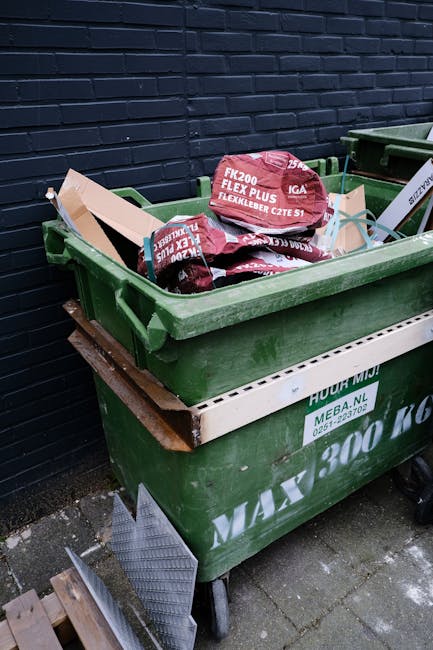
Why rubbish collection at The Glades Bromley matters
The Glades is not just another pick-up point. It is part of a busy retail and town-centre environment where foot traffic, delivery activity, parking pressure, and tight access windows can all affect how waste is handled. That changes the game a bit. If you are removing rubbish from a shop unit, nearby office, hospitality space, or even a private property close by, the collection plan needs to be realistic and tidy.
Why does that matter so much? Because waste left too long in a high-traffic location can become a practical problem quickly. It can block storage space, create trip hazards, interfere with trading, and make a place feel cluttered. In a retail setting, even a small pile of packaging can snowball into a proper nuisance by the end of a busy shift.
There is also the reputation side of things. Customers notice when an area looks cared for. A clean and organised space gives a very different impression from one with overfilled sacks, broken furniture, or cardboard stacked near a rear entrance. To be fair, people often underestimate how visible waste really is. The smell, the visual clutter, the awkward pallet left in the wrong spot - it all adds up.
For businesses near The Glades, rubbish collection also supports smoother day-to-day operations. Staff can focus on serving customers or running the premises instead of trying to figure out where to store old stock, packaging, or obsolete equipment. For residents nearby, it can mean getting rid of bulky items without having to organise multiple trips or risk a van hire becoming an all-day ordeal.
If you are interested in the wider local context, it can help to understand what locals say about living and working in Bromley and how town-centre routines shape everyday services. You may also find the broader perspective in this Bromley-focused local insight useful when weighing convenience against disruption.
How rubbish collection at The Glades Bromley works
In practical terms, rubbish collection near The Glades usually follows a simple sequence: identify the waste, separate what needs special handling, arrange access, confirm the timing, and ensure the items can be removed safely. The details are where things get interesting.
First, the waste type matters. General rubbish, cardboard, office waste, broken furniture, white goods, and builders' debris may all be handled differently. Mixed loads can still be collected, but they often need sorting at the outset so the right disposal route is used. That helps with recycling too, which is worth doing properly rather than treating as an afterthought.
Second, access matters. Busy Bromley locations often have narrow service access, loading constraints, shared entrances, or time-specific drop-off points. A collection team needs to know whether they can park close by, whether items are on the ground floor or upstairs, and whether there is any lift access. If you have ever tried moving a sofa through a tight doorway with no one giving clear instructions, you will know why this matters. It is not exactly elegant.
Third, timing matters. In and around a commercial centre, collection windows often need to avoid peak footfall, opening hours, or delivery times. Early morning and quieter mid-afternoon slots are often easier than trying to force a collection into a hectic rush period. A bit of planning saves a lot of back-and-forth.
Usually, the collection process looks something like this:
- Describe the waste accurately, including volume and item type.
- Confirm access details, such as lift availability, parking, or loading distance.
- Agree the collection time and any site-specific requirements.
- Prepare the waste so it can be collected quickly and safely.
- Complete removal and ensure the waste is handled appropriately after loading.
If you are arranging a larger job, it may be worth reviewing the wider range of options in the services overview and checking how collection fits with broader waste removal in Bromley. That is often the difference between a tidy one-off solution and a rushed booking that misses the bigger picture.
Key benefits and practical advantages
The main benefit is straightforward: rubbish collection makes it much easier to keep your space clear without handling the heavy lifting yourself. But there are several other advantages that are easy to miss when you are focused on the immediate mess.
1. Less disruption. A collection service removes waste in one go rather than requiring multiple trips. That is a major advantage if you are working around customers, staff schedules, or family life.
2. Better use of space. Storage rooms, rear service areas, and hallways become far more useful when they are not blocked by old stock, packaging, or broken items. Even one clear corner can make a site feel calmer.
3. Safer premises. Loose waste, trailing packaging, and stacked items are all trip hazards. In a commercial area especially, that is not a small issue.
4. More responsible disposal. A professional collection should separate recyclable and reusable materials where possible. If you want a clearer sense of why this matters, it is worth reading about recycling and sustainability and the practical benefits behind using recycled products.
5. Less stress. Let's face it, waste tends to sit in the corner and grow more annoying every day. Sorting it once, properly, is usually better than endlessly thinking about it.
For businesses, there is also the presentational benefit. A clean premises suggests control, care, and professionalism. For households, it can mean you finally reclaim a room that has been quietly turning into a storage cave. Small victory, but a real one.
| Option | Best for | Typical advantages | Possible drawbacks |
|---|---|---|---|
| Self-haul to a disposal site | Small, manageable loads | Direct control, simple for a few items | Time-consuming, parking/loading hassle, multiple trips |
| Scheduled waste collection | Routine business waste or repeat needs | Predictable, ongoing support, easier planning | May suit regular waste better than one-off bulky items |
| One-off rubbish collection | Clear-outs, bulky items, mixed loads | Fast, convenient, minimal disruption | Needs accurate description and good access planning |
Who this is for and when it makes sense
This kind of rubbish collection is useful for a wide range of people. The obvious one is a business unit near The Glades that has generated packaging, old fittings, or general waste. But there are more situations than people first think.
Retailers often need it after refurbishments, stock refreshes, or seasonal changes. Anyone who has ever cleared out a back room after Christmas knows how quickly cardboard and broken displays can fill every available inch.
Offices may need collection for redundant desks, chairs, archive boxes, monitors, and mixed office junk. If that sounds like a tidy category, it rarely is. Office waste tends to arrive in a confusing bundle of paper, plastics, electronics, and furniture.
Residents nearby may need help with bulky items, house clearances, white goods, loft contents, or garden waste. A lot of people try to manage this with a car boot and optimism. That approach can work, but only until you meet the sofa that will not fit through the car door.
Landlords and letting agents often need rapid collection between tenancies. Speed matters because vacant properties are expensive when delays pile up.
Contractors and tradespeople may need to clear builders' waste after small works. For those jobs, a more specific approach is often better, which is why builders' waste disposal in Bromley is worth considering alongside collection planning.
It also makes sense if you need a one-off uplift rather than an ongoing contract. For example, if you are clearing a unit, preparing for a move, or disposing of several awkward items that local collections will not take, a flexible pickup can be the cleanest solution. If your task is more domestic, domestic waste collection in Bromley may fit more naturally.
Step-by-step guidance
Here is the simplest way to approach rubbish collection near The Glades without overcomplicating it.
- Identify exactly what needs collecting. Separate general rubbish from furniture, electrical items, cardboard, garden waste, and building debris. If you can list the items, do it. If not, take a few photos and note the rough volume.
- Check whether any items need specialist handling. White goods, upholstered furniture, and electronic items can each raise different handling questions. If in doubt, ask before collection day.
- Measure access points. Door widths, stairs, lift dimensions, service corridors, and parking distance all matter. This is one of those boring details that saves a lot of trouble later.
- Choose a sensible time window. In a busy area, quieter timings are often best. Early starts can work well because the surroundings feel calmer and access is easier.
- Prepare the site. Put waste in one area if you can do so safely. Keep walkways clear. If there are items that must stay, mark them off. A strip of tape can save a lot of confusion.
- Confirm payment and booking details. Make sure you understand what is included, what might cost extra, and how the service handles awkward or additional waste.
- After collection, check the area. A quick sweep of the space helps make sure nothing important has been left behind. You know that feeling when one small item somehow survives the whole clear-out? Best to catch it now.
If the collection is connected to a move, refurbishment, or office change, it can help to read rubbish removal near Bromley North Station and fast quote tips for a sense of how fast response timings are usually handled in the local area. And if the clear-out is part of a larger transition, Bromley property market guidance and property purchase and sale insights can be surprisingly relevant.
Expert tips for better results
In our experience, the best rubbish collections are the ones where the client thinks ahead just enough. Not obsessively. Just enough.
Group items by type. This makes it easier to estimate the job and keeps recycling options open. Cardboard in one pile, furniture in another, general waste separately if possible.
Photograph bulky items. A quick set of photos can be more useful than a long explanation. The shape of a sofa or cabinet tells you a lot about whether removal will be straightforward.
Leave a clear path. If movers need to carry items from a back room to a loading point, the route should be open. Even a tiny bottleneck becomes a big one when someone is carrying a washing machine.
Ask about reuse and recycling. Some materials may be diverted from disposal where appropriate. That is good for cost, good for efficiency, and better for the environment too. If your job includes old appliances, a dedicated approach like white goods and appliance disposal in Bromley can be especially helpful.
Keep receipts and confirmation details. That is especially important for businesses, landlords, and anyone who needs a tidy paper trail. It is not glamorous, but it is useful. Very useful.
Be realistic about access. If parking is awkward, say so. If there is no lift, say so. If the waste is on an upper floor, say so. The more honest the initial description, the smoother collection day will feel.
Think beyond the immediate job. Sometimes a rubbish collection is really the first step in a bigger reset. A new layout, a cleaner workspace, a less cluttered home. That little bit of momentum matters.

Common mistakes to avoid
People usually do not get waste collection wrong because they are careless. They get it wrong because they are busy. That is fair enough, but these are the usual pitfalls.
1. Underestimating the volume. A few bags can look harmless until they are lined up beside a wardrobe, a broken chair, and half a stack of packaging. Be generous when estimating. If you are torn between two sizes, think about the bigger one.
2. Mixing incompatible waste types. Some items are easy to collect together, others are not. Mixed waste without warning can lead to delays or a revised plan.
3. Ignoring access issues. Tight corners, stairs, no parking, locked service doors - these are the things that create friction. The collection team cannot guess them.
4. Leaving waste until the last minute. If collection is tied to a handover, opening, or delivery, do not leave it until the same day. That is how calm plans become slightly silly plans.
5. Forgetting hazardous or specialist items. Not everything belongs in a general collection. Batteries, chemicals, and certain electricals need more care. Ask before you bundle them in.
6. Assuming recycling will happen automatically. It might, but only if the waste is suitable and the service is set up for it. Sorting a bit beforehand usually helps.
7. Choosing purely on price. The cheapest option is not always the best once access, service quality, and compliance are considered. Good value is better than cheap and messy.
Tools, resources and recommendations
You do not need complicated tools to organise rubbish collection, but a few simple things make the process much easier.
- A phone camera for quick item photos and before-and-after records.
- A tape measure for doorways, hallways, and bulky furniture.
- Basic labels or notes so people on-site know what stays and what goes.
- Bin liners or boxes for loose small waste.
- A rough inventory list if you are clearing a room, flat, office, or stock area.
For broader planning, you may want to review pricing and quote guidance so you know what usually affects the final cost. You can also look at waste carrier licence and compliance to understand why responsible collection matters from a trust point of view.
If your waste includes items of furniture, it may be better handled through a furniture-specific route, especially when pieces are large or awkward. In those cases, furniture removal in Bromley or furniture disposal in Bromley can fit more naturally than a generic collection. And if you are managing a clear-out of a flat or inherited property, house clearance in Bromley and loft clearance in Bromley are worth bearing in mind.
For businesses, especially those near a busy retail centre, office clearance in Bromley and commercial waste removal in Bromley may provide a better fit than a one-off general pick-up. It really depends on volume, timing, and the nature of the material.
Law, compliance, standards and best practice
When you are arranging waste collection in the UK, compliance is not just a formality. It is part of doing things properly. You do not need to become a legal expert, but you should understand the basics.
Waste must be passed to an appropriately authorised carrier, and the service should be able to explain how waste is handled after collection. For businesses especially, keeping a clear record is sensible practice. That includes knowing what left the premises, when it left, and roughly where it was sent for further handling.
Best practice also means separating recyclable material where practical, avoiding contamination, and not placing prohibited items into a general load. That is particularly relevant if you are disposing of electricals, white goods, or mixed refurbishment waste. If the waste stream is cleaner, more can often be recovered or recycled. If it is muddled, everything becomes harder. Simple as that.
Safety matters too. Heavy items should be moved with proper care, and routes should be checked to reduce trips and strain. If a team is lifting large furniture or appliances through a public-facing space, they should do it in a controlled way. No one wants a rushed carry turning into an avoidable incident.
For a company, these things sit alongside broader responsibilities around insurance, staff safety, and responsible operations. If you want a better sense of the standards behind that, insurance and safety information and about the company can help build confidence. There are also important policy pages such as terms and conditions, privacy policy, accessibility statement, payment and security, cookie policy, and modern slavery statement that reflect how a responsible business should present itself.
Options, methods and comparison
Not every waste problem needs the same solution. Here is a practical comparison that helps you choose the right route without guesswork.
| Method | Good for | Strengths | Watch-outs |
|---|---|---|---|
| One-off rubbish collection | Mixed clear-outs, bulky items, urgent jobs | Convenient, quick, minimal disruption | Needs good prep and accurate item description |
| Regular waste service | Shops, offices, hospitality, recurring waste | Consistent and easier to plan | May not suit large one-time loads |
| Specialist furniture disposal | Sofas, cabinets, office desks, large furnishings | Better handling for awkward items | May be unnecessary for smaller loads |
| Appliance-focused disposal | Fridges, washing machines, cookers | Useful for heavy or regulated items | Check access and item condition in advance |
| Full clearance service | Flats, houses, lofts, offices | Best for larger, layered clear-outs | Can be more involved than a basic collection |
The key decision is not which service sounds best in theory. It is which one matches the waste you actually have in front of you. A small number of boxes is one thing. A mixed load of furniture, packaging, and electrical items is another. The wrong fit usually costs time, not just money.
Case study or real-world example
Picture a small retail unit near The Glades preparing for a seasonal refresh on a Thursday afternoon. The team has old cardboard displays, a few damaged shelving pieces, several bags of mixed rubbish, and one awkward cabinet that has been sitting in the back room since spring. The manager wants everything gone before Saturday trading ramps up.
At first, the waste looks manageable. Then the staff begin moving items and realise the cabinet is heavier than expected, the back corridor is narrower than they remembered, and the loading area is shared with another tenant. Classic.
What made the difference was preparation. The manager took quick photos, listed the item types, checked access with the building team, and booked a collection window before the busiest period. Cardboard was kept separate from mixed waste, and the cabinet was flagged in advance so the movers knew what to expect. The whole job became straightforward instead of frantic.
That is usually how it goes. The collection itself may only take a short time, but the planning around it determines whether the day feels calm or a bit chaotic. A local service near a busy Bromley centre has to work around real-world constraints, not an idealised one.
Practical checklist
Use this before your collection day. It keeps things tidy and reduces the chance of last-minute surprises.
- Confirm exactly what needs collecting.
- Separate general rubbish from furniture, white goods, and recyclables.
- Take photos of bulky or unusual items.
- Measure access points if anything looks tight.
- Check whether parking or loading space is available.
- Clear a safe route from the waste area to the exit.
- Label anything that must not be taken.
- Ask about any items that may need specialist handling.
- Check the collection time and any building restrictions.
- Keep booking details, payment terms, and confirmation handy.
If you tick those off, you are already ahead of most people. Honestly, that alone removes half the stress.
Conclusion
Rubbish collection at The Glades Bromley works best when it is planned with the setting in mind. Busy access, mixed waste types, timing pressure, and the need for tidy, responsible disposal all make a difference. Once you understand those basics, the process becomes much easier to manage.
The main thing to remember is this: good waste collection is not just about taking things away. It is about doing it safely, efficiently, and in a way that suits the space you are working with. Whether you are clearing a shop unit, an office, a flat, or a home nearby, a little preparation will save you time and reduce avoidable stress.
If you want a smoother experience, think through the waste type, the access route, the timing, and the service fit before collection day. That small bit of care makes a noticeable difference, and it tends to leave everyone breathing easier afterwards.
Get a free quote today and see how much you can save.
And if you are still deciding, that is fine too. A good plan usually starts with a clear head, a short checklist, and one honest look at the mess in front of you.